
The journey from the classroom to the professional landscape is rarely a straight line drawn with a ruler. For decades, conventional academic wisdom suggested that every lecture, homework assignment, and standardized exam was preparing students for a rigid set of traditional corporate positions. Students sat through geometry proofs, chemistry labs, group presentations, and physical education drills wondering how any of these theoretical concepts would translate into a meaningful paycheck.
The modern economy, however, tells a remarkably different story. Today, the foundational habits acquired during formative school years serve as dynamic launchpads into vocational fields that many teenagers never actively contemplate during career day fairs. The everyday habits cultivated across childhood, such as patient problem-solving, spatial intuition, active listening, and situational alertness, often become the core competencies required in specialized industries. As modern graduation rates climb and the job market diversifies, the realization is setting in that professional fulfillment frequently exists far beyond the standard fluorescent glow of corporate cubicles.
Mastering Spatial Geometry and Kinetic Machinery
Working through geometry proofs, introductory physics labs, and basic shop classes teaches students how weight, balance, and mechanical resistance interact across physical systems. Many teenagers develop an intuitive appreciation for kinetic motion simply by observing how levers, hydraulics, and structural frames respond under continuous strain. When those analytical instincts are combined with patience and spatial diagnostic awareness, they unlock specialized career avenues that support critical transportation backbones. Professionals who enter truck repair services rely directly on this mechanical comprehension, spending their days diagnosing complex pneumatic braking setups, heavy drivetrain alignments, and industrial diesel systems to keep commercial logistics networks operating without catastrophic delays.
When students realize that their mechanical curiosities possess massive commercial utility, their view of the workforce transforms. Rather than sitting behind computer terminals running routine spreadsheet entries, mechanically inclined individuals discover that working directly with immense mechanical systems provides continuous mental stimulation alongside substantial earning potential across modern industrial economies.
Biological Precision and Systematic Craftsmanship
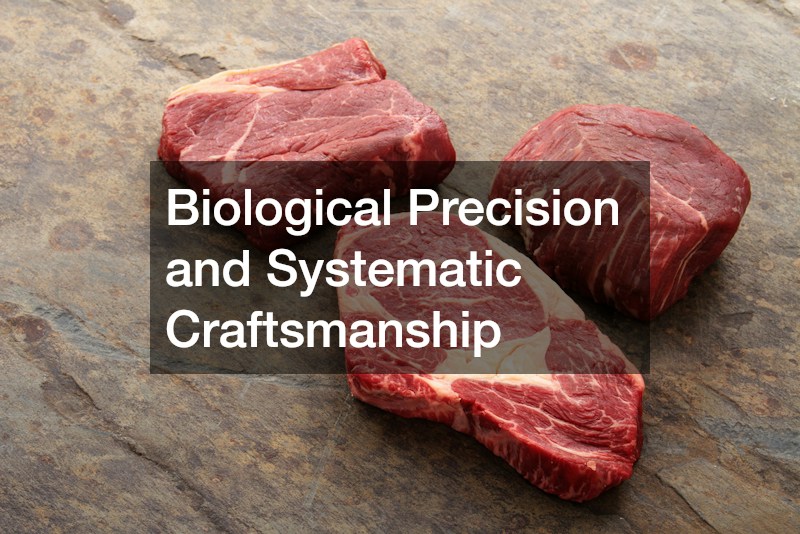
Dissecting specimens in biology classes, learning organic cellular structures, and following meticulous kitchen preparation techniques in family consumer science provide foundational knowledge regarding anatomy and clean execution. Handling sharp instruments safely, understanding biological grain patterns, and working with unwavering hand-eye coordination represent specialized manual gifts that few corporate roles ever utilize. An observant student who values craftsmanship, surgical precision, and physical material consistency can easily transition these traits into becoming a skilled meat butcher, an ancient and respected profession that requires deep anatomical insight, razor-sharp tool discipline, and an absolute commitment to regulatory hygiene standards.
Modern culinary and agricultural markets constantly demand artisans who treat biological preparation as an intricate science rather than ordinary manual work. Students who prefer tangible production over abstract paperwork find immense satisfaction in mastering knife arts that produce flawless culinary cuts, sustaining local supply systems through practiced dexterity and anatomical comprehension.
Situational Awareness and Group Communication
Navigating crowded school corridors, playing competitive team athletics, and mediating interpersonal disagreements on the playground build subtle social awareness. Individuals who inherently monitor environmental cues, detect subtle changes in human body language, and maintain emotional composure during tense peer disagreements possess rare tactical instincts. These specific interpersonal capabilities make an individual extraordinarily well suited to excel as a professional event security guard, a position where de-escalating interpersonal hostility, screening large crowds, and preserving personal safety during major public gatherings rely entirely on proactive communication rather than aggressive confrontation.
Rather than relying purely on physical force, modern crowd management represents a psychological chess match grounded in rapid emotional intelligence and environmental control. Individuals who mastered group communication in noisy cafeterias and bustling school athletic stadiums find that their calm demeanor and protective instincts provide lucrative, high-responsibility positions within high-profile entertainment and commercial venues.
Legal Navigation and Human Psychology
High school civics classes, mock trial competitions, and behavioral psychology electives introduce students to the complex machinery of institutional justice and social incentives. Understanding the balance between civil statutes, financial agreements, and human behavioral patterns requires an analytical mind capable of reading people as accurately as legal documents. A graduate with strong interpersonal empathy, financial pragmatism, and procedural grit can thrive as a licensed bondsman, assisting families during judicial crises, assessing collateral risks, and ensuring defendants fulfill their mandatory legal court appearances without jeopardizing personal guarantees.
This specialized field requires a rare blend of street-smart intuition, administrative precision, and social empathy. Students who spent their academic careers advocating for friends, unraveling administrative rules, and solving practical dilemmas often discover that assisting individuals through the legal rehabilitation process provides both immense professional autonomy and substantial community influence.
Aesthetic Discipline and Surface Perfection

Artistic electives, ceramic sculpting, and meticulous personal presentation habits teach students that minute cosmetic details drastically influence overall presentation quality. Spotting tiny surface imperfections, appreciating material textures, and taking genuine pride in restoring tired equipment to immaculate condition reflect deep discipline. This aesthetic perfectionism translates smoothly into the specialized trade of high-end car detailing, where technicians apply paint correction compounds, steam treat intricate interior upholstery, and apply durable ceramic coatings to protect expensive automotive investments against environmental degradation.
When visual perfectionism is combined with disciplined patience, cosmetic restoration evolves into an exceptional revenue stream. Students who loved studio arts and physical model building discover that high-end cosmetic preservation offers lucrative self-employment opportunities driven by discerning automotive enthusiasts who pay premium rates for absolute technical flawlessness.
Analytical Problem Solving and Diagnostic Logic
Working through scientific methodologies in chemistry laboratories, writing computer algorithms, and troubleshooting malfunctioning home appliances build methodical diagnostic reasoning. When an unexpected system failure occurs, undisciplined minds panic, while structured thinkers isolate variables systematically until they uncover the root issue. This deductive logic forms the foundation for modern technical maintenance careers, where certified specialists utilize digital oscilloscopes, pressure gauges, and thermal cameras to identify hidden architectural, electrical, or structural failures before catastrophic system breakdowns can occur.
Modern commercial infrastructure relies on diagnostic experts who possess the intellectual patience to dismantle complex operational puzzles. Students who found deep satisfaction in chemistry titrations and algebra problem sets often find their natural calling within technical field engineering, enjoying independent workdays solving intricate technical puzzles across critical infrastructure.
Material Science and Impact Dynamics
Studying physical science, mineral hardness scales, and structural stress points introduces students to the delicate balance between structural strength and sudden fracture mechanics. Understanding how sudden impacts cause microscopic stress fractures across laminated surfaces helps individuals appreciate physical resilience in modern engineering. That knowledge finds direct, lucrative employment within the field of auto glass repair, where specialized technicians utilize optical-grade liquid resins, custom alignment vacuum seals, and structural adhesives to repair rock chips or replace structural windshields tied directly to modern vehicle driver-assistance sensors.
What appears on the surface to be a straightforward glass replacement is actually a precision installation governed by tight safety tolerances. Students who enjoy calculated manual tasks with visible, immediate results discover that restoring vehicle safety glass delivers immense commercial independence, continuous operational demand, and significant career mobility.
Environmental Sanitation and Operational Systems
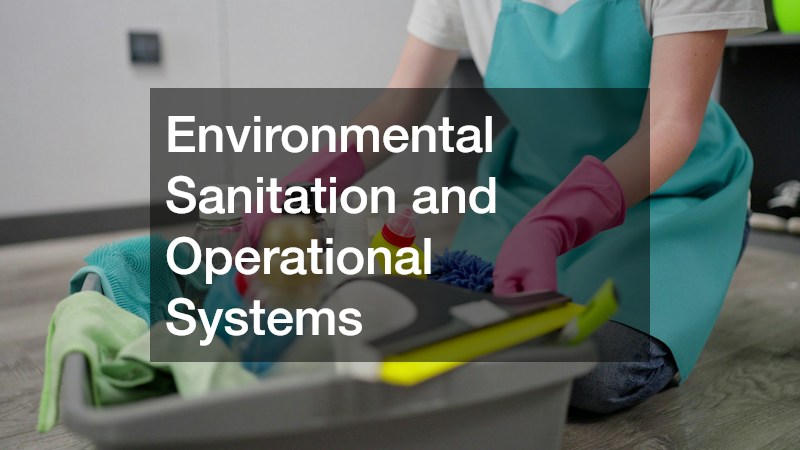
Managing sports team equipment, organizing school event setups, and maintaining sanitary living spaces foster an appreciation for smooth operational flow and environmental hygiene. Disinfecting biological surfaces, organizing chaotic utility spaces, and following consistent cleaning protocols protect public health across entire communities. Individuals who possess an innate drive for environmental order, systematic scheduling, and commercial hygiene frequently establish or manage expanding cleaning companies, delivering essential sanitation services to medical facilities, corporate headquarters, and residential complexes that must comply with strict safety mandates.
Commercial environmental care is an essential sector that remains insulated from broader economic fluctuations. Students who take pride in creating pristine, functional environments discover that operational hygiene represents a massive enterprise industry, allowing driven organizers to scale multifaceted service teams and secure lucrative long-term commercial accounts.
Agriscience Mechanics and Heavy Systems
Growing up near farm communities, taking agricultural science courses, and tending livestock or school gardens reveal the intricate machinery required to sustain food supplies. Heavy machinery operating in harsh dirt, extreme heat, and continuous moisture faces unique mechanical stress. Students who combine mechanical curiosity with an appreciation for food production often find high-paying vocations managing complex agricultural repairs, diagnosing autonomous global-positioning tractors, adjusting massive mechanical harvesters, and rebuilding hydraulic implement systems to ensure crops are planted and harvested without operational failure.
Modern agriculture is an advanced, high-tech industry driven by telemetry and immense mechanical power. Mechanically gifted students who prefer open outdoor spaces over confined corporate settings discover that keeping food harvesting equipment functional is an indispensable, intellectually rewarding career that forms the bedrock of rural economic stability.
Hydrological Flow and Thermal Dynamics
Watching water flow through natural channels, studying fluid physics, and working through home maintenance emergencies teach individuals how liquid pressure, thermal expansion, and gravity function together. Maintaining consistent pipe slopes, venting atmospheric gases, and routing supply lines demand precise three-dimensional visualization. Those spatial insights lead directly to high-earning opportunities for certified plumbers, who install complex residential sanitary systems, route commercial medical gas networks, and ensure clean potable water flows continuously into modern urban buildings without contamination or system failures.
Plumbing represents one of the most intellectually demanding, recession-proof trades in the global economy. Students with strong spatial reasoning and mechanical discipline discover that mastering fluid dynamics guarantees financial independence, personal job security, and the satisfaction of building critical infrastructure that protects overall public health.
Structural Restoration and Environmental Recovery
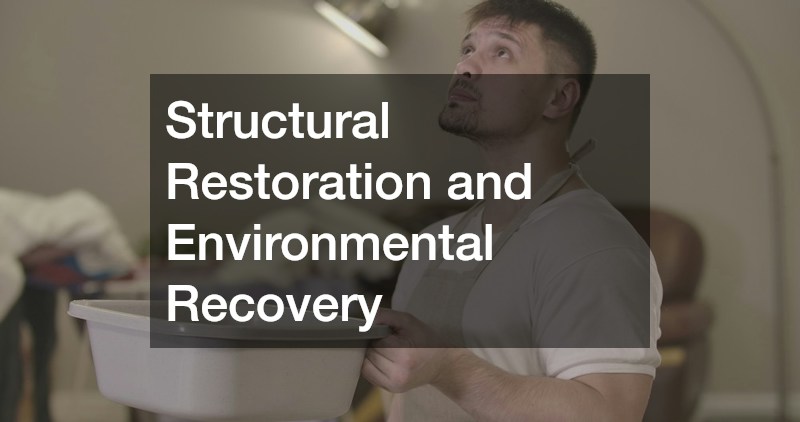
Witnessing extreme weather events, understanding moisture migration in wood construction, and studying microbiological growth patterns provide vital insight into environmental preservation. When emergency plumbing failures, severe river flooding, or roof breaches introduce gallons of water into inhabited structures, swift technical action is necessary to prevent complete property ruin. Specialists who provide commercial water damage services utilize commercial desiccant dehumidifiers, thermal imaging cameras, and antimicrobial wash protocols to extract trapped moisture, sanitize building cavities, and restore damaged properties back to safe habitable conditions.
Emergency environmental restoration merges scientific methodology with compassionate client care during traumatic property losses. Students who thrive under operational pressure and enjoy seeing real-time physical transformations discover that remediating environmental hazards offers exceptional entrepreneurial potential and personal fulfillment by helping communities rebuild after major infrastructure crises.
Digital Fluency and Modern Vocational Integration
Modern education places immense focus on basic digital literacy, typing proficiency, cloud data management, and mobile communications. Far from being restricted to standard technology cubicles, these core digital skills have completely revitalized traditional blue-collar and trade industries. Modern field technicians no longer carry bulky paper binders; they manage enterprise field service software, order specialized replacement components via mobile enterprise platforms, and communicate with customers through interactive web dashboards directly from their company vehicles.
The modern workforce doesn’t force an absolute separation between technical brains and mechanical hands. Young adults who embrace digital organizational tools while pursuing essential practical trades place themselves at the absolute peak of the modern service economy, earning excellent incomes while running forward-thinking commercial enterprises.
The conventional pathway that funnels every high school graduate down an identical hallway toward a corporate office is steadily being dismantled by economic reality. For generations, society mistakenly categorized vocational, mechanical, and technical fields as secondary choices reserved only for individuals who struggled with traditional academic subjects. That narrow perspective ignored how deeply interconnected practical trades are with the exact intellectual, spatial, and social capabilities nurtured throughout grade school education.
Geometry, physical science, biology, art, and civics were never merely abstract prerequisites designed to fill standardized report cards; they were the building blocks of spatial awareness, biological precision, aesthetic balance, and civic operations. When emerging professionals evaluate their natural capabilities, such as their patience with complex mechanical assemblies, their calm composure during stressful social situations, or their dedication to visual perfection, they uncover exciting, well-paying careers waiting across essential practical trades.
These essential vocations demand genuine physical agility, critical thinking, immediate diagnostic reasoning, and authentic personal communication. By recognizing how basic school tasks cultivate these core talents, ambitious students can confidently ignore corporate peer pressure and pursue vocational avenues that deliver exceptional financial rewards, true career longevity, and profound personal pride. Every childhood interest, from building models to organizing events, holds the power to launch a successful career when paired with dedicated work, continuous learning, and practical application.
