In today’s rapidly evolving world, preschool education has become a crucial stepping-stone for countless children worldwide. As the first structured environment that shapes a child’s academic journey, preschool provides much more than mere academic readiness.
It serves as the foundation for psychological, social, and intellectual development, ensuring that children are well-equipped to face future challenges head-on. Understanding the myriad benefits of early childhood education is essential for parents, educators, and policymakers alike.
The significance of preschool extends beyond mere preparation for kindergarten. It encompasses an entire suite of developmental tools that contribute to a child’s long-term success. From enhancing cognitive abilities to building social skills, preschool plays a vital role in the holistic development of young learners. With a focus on nurturing a child’s innate potential, preschool education promotes a love for learning that can last a lifetime.
This article delves deep into the critical components of preschool education, underscoring both its immediate and long-term implications. By highlighting the intrinsic value of early education, we aim to underscore its importance in shaping the future of our children. The insights and perspectives shared herein serve as a call-to-action, emphasizing the need for robust early childhood education policies and practices that benefit all children.
1. What Are the Core Benefits of Preschool Education?
1.1 Cognitive Development
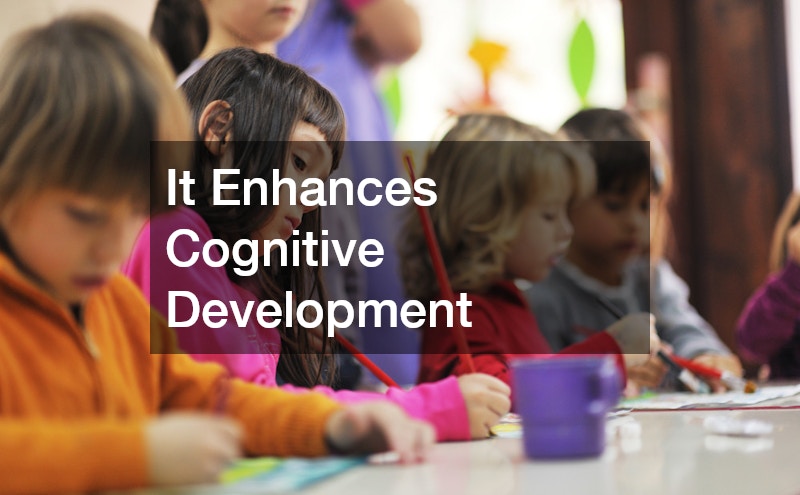
Preschool education plays a pivotal role in enhancing cognitive development from a young age. In this environment, children are introduced to structured learning experiences that stimulate their thinking. Activities such as counting, puzzle-solving, and storytelling ignite curiosity and cognitive growth. Through playful interactions and guided instruction, children learn to process information, reason logically, and develop critical thinking skills. This foundational stage is crucial as it sets the framework for future academic endeavors, ensuring children are well-prepared for higher learning.
Moreover, preschool education fosters the development of memory and attention spans. By engaging with a variety of tasks and activities, children learn to focus and retain information better. The blend of routine and new challenges helps young learners adapt to different cognitive demands. Teachers use multi-sensory approaches to cater to diverse learning preferences, making cognitive development accessible and enjoyable. This holistic approach ensures that children are equipped with essential cognitive tools, paving the way for lifelong learning and success.
Additionally, preschool serves as a nurturing ground for creativity and imagination. Through creative play, art projects, and exploration, children are encouraged to think outside the box and express their ideas. This environment cultivates a growth mindset, allowing children to embrace challenges and view failures as learning opportunities. As they explore and experiment, their cognitive faculties are sharpened, preparing them for a future of innovation and intellectual curiosity. The importance of cognitive development in preschool cannot be overstated.
1.2 Socialization Skills
Preschool is an essential platform for nurturing socialization skills in young children. At this stage, children interact with peers and adults outside their immediate family circle, which lays the foundation for effective communication and collaboration. Through group activities and cooperative play, children learn the values of sharing, empathy, and teamwork. These social interactions enable them to understand different perspectives and develop meaningful relationships. The social skills acquired during preschool are instrumental in navigating the complexities of school life and social settings beyond.
Furthermore, preschool education teaches children vital social norms and behaviors. Understanding concepts like taking turns, listening, and waiting patiently helps children navigate group dynamics seamlessly. Teachers play a crucial role in modeling and reinforcing positive interactions, encouraging children to communicate constructively and resolve conflicts amicably. As children engage in daily routines and activities, they gain confidence in social situations, boosting their self-esteem and adaptability. These socialization skills are pivotal in preparing children for future academic and personal success.
In addition, the diverse environment of preschool exposes children to cultural differences and inclusivity. Interaction with peers from various backgrounds broadens children’s understanding of diversity and acceptance. This early exposure promotes cultural awareness and appreciation, helping them build inclusive mindsets. By participating in multicultural activities, children learn to celebrate similarities and differences, fostering a sense of community and belonging. The socialization skills gained in preschool not only enrich personal development but also contribute to building a harmonious society.
1.3 Emotional Well-being
Preschool education significantly contributes to the emotional well-being of young learners by offering a supportive and nurturing environment. During this formative stage, children learn to understand and express their emotions, leading to improved self-regulation and coping strategies. As they navigate daily challenges and interactions, children develop resilience and emotional intelligence, essential traits for long-term success. Teachers provide guidance and encouragement, helping children build a positive self-image and a sense of security.
Moreover, preschool is a safe space for children to explore their emotions and build healthy relationships. Through structured activities and guided play, they learn about empathy, kindness, and respect for others. Social-emotional programs in preschool emphasize the importance of recognizing emotions, both their own and those of others. This awareness facilitates effective communication and conflict resolution, enhancing both personal and interpersonal development. As children progress through preschool, they become more emotionally mature and capable of handling complex social situations.
Additionally, the relationships formed during preschool have a lasting impact on emotional development. Building bonds with teachers and classmates fosters a sense of belonging and trust, contributing to overall happiness and well-being. These connections are vital for reducing anxiety and fostering a positive attitude towards learning and exploration. The emotional tools cultivated in preschool serve as a strong foundation for future academic achievements and personal growth, underscoring the importance of emotional well-being in early childhood education.
1.4 Language and Communication Skills
In preschool, language and communication skills are nurtured through a plethora of interactive activities and daily interactions. From storytelling sessions to singing and rhyming, children are immersed in language-rich environments that stimulate their linguistic abilities. These experiences expand their vocabulary and comprehension, enabling them to articulate thoughts and ideas convincingly. Teachers encourage open communication, prompting children to express themselves clearly and confidently. The language skills acquired in preschool are fundamental in preparing children for future academic success and effective communication in various contexts.
The emphasis on language development extends beyond mere vocabulary enhancement. Preschool programs incorporate activities like role-playing and group discussions, allowing children to practice conversational skills and improve social interaction. As they engage with peers and adults, children become adept at using language to negotiate, share information, and collaborate on tasks. This interactive process enhances their ability to listen actively and respond thoughtfully, crucial skills in building lasting relationships and navigating social situations.
Furthermore, language and communication skills facilitate cognitive development, with language serving as a tool for thinking and problem-solving. Exposure to diverse language styles and structures enriches children’s cognitive processes, improving their ability to reason, analyze, and synthesize information. Multilingual environments in preschools also provide opportunities for learning additional languages, promoting cognitive flexibility and cross-cultural understanding. The robust language foundation established in preschool is integral to future literacy and academic excellence, illustrating its vital role in early childhood education.
1.5 Preparing for Formal Schooling
Preschool education lays the groundwork for a seamless transition to formal schooling, ensuring children are adequately prepared for the academic and social challenges ahead. The structured environment of preschool introduces young learners to routines and expectations similar to those they will encounter in kindergarten. Activities are designed to mirror classroom settings, acquainting children with group instruction, task completion, and classroom etiquette. This preparatory phase alleviates anxiety and builds confidence, enabling children to enter formal schooling with a sense of familiarity and readiness.
The skills and knowledge gained in preschool serve as building blocks for further academic pursuits. Early exposure to basic literacy and numeracy concepts provides a strong foundation for advanced learning opportunities. Children who attend preschool are more likely to perform better in subjects like reading and math, as they have acquired essential concepts and skills at an early stage. The emphasis on active learning and exploration in preschool fosters creative problem-solving and adaptive thinking, traits that are vital for academic success throughout their educational journey.
Additionally, preschool education promotes a positive attitude towards learning, instilling a lifelong love for intellectual exploration. Teachers encourage curiosity and inquisitiveness, motivating children to seek knowledge and embrace learning opportunities. The supportive and stimulating environment of preschool fosters resilience and perseverance, qualities that are crucial for overcoming challenges in formal education. As children develop a sense of agency and self-efficacy, they become enthusiastic learners committed to achieving their full potential. The preparatory role of preschool is paramount in shaping a child’s educational trajectory.
2. How Does Preschool Education Affect Long-term Academic Performance?
2.1 Foundation for Lifelong Learning
Preschool education establishes a solid foundation for lifelong learning by fostering essential skills and attitudes necessary for academic success. The early experiences gained in preschool shape children’s perspectives towards education, instilling a positive attitude towards learning from an early age. By engaging in stimulating and diverse activities, children develop curiosity and a desire for knowledge, traits that propel them towards continued educational achievements. The comprehensive skill sets acquired serve as fundamental building blocks for more complex learning experiences, underscoring the critical role of preschool in lifelong learning journeys.
Through play-based learning, preschool introduces children to the joy of discovery and exploration. This approach encourages active engagement and stimulates intellectual curiosity, fostering a love for learning that persists throughout their academic pursuits. As children navigate various tasks and challenges, they develop cognitive flexibility and adaptability, enabling them to thrive in different learning environments. Preschool experiences cultivate problem-solving and critical thinking skills, which are crucial for navigating academic complexities and achieving long-term academic success.
Moreover, preschool nurtures key learning dispositions, such as perseverance, collaboration, and resilience. Children learn to embrace challenges and setbacks as opportunities for growth, fostering a growth mindset that fuels academic resilience and success. The supportive and encouraging environment encourages risk-taking and exploration, promoting mastery and self-efficacy. These qualities, nurtured in preschool, serve as valuable assets in overcoming academic hurdles and driving sustained intellectual growth. The foundation for lifelong learning laid in preschool paves the way for academic excellence and personal fulfillment.
2.2 Bridging Learning Gaps
Preschool education is instrumental in bridging learning gaps, providing equitable opportunities for all children to thrive. By addressing educational disparities from an early age, preschool programs create a level playing field for children from diverse socio-economic backgrounds. Access to quality preschool education helps mitigate differences in readiness levels and ensures that every child begins formal schooling with a similar foundation. The targeted interventions and individualized support offered in preschools enhance learning outcomes and promote educational equity.
Differentiated instruction in preschool caters to diverse learning needs, allowing children to progress at their own pace. Teachers employ strategies to identify and address individual strengths and challenges, ensuring that every child’s unique requirements are met. By utilizing personalized approaches, preschool programs effectively close learning gaps and set children on a trajectory towards academic success. This inclusive approach empowers disadvantaged children to achieve their potential, contributing to a more equitable education system.
Furthermore, preschool education narrows learning gaps by promoting early intervention in language, literacy, and numeracy skills. By identifying and addressing potential challenges at this early stage, preschool programs prevent academic struggles later on. The comprehensive support provided ensures that children are well-prepared for formal schooling, enabling them to excel alongside their peers. As preschools bridge learning gaps, they create a strong foundation for future academic and personal accomplishments, illustrating their transformative impact on educational outcomes.
2.3 Enhanced Literacy and Numeracy
Preschool education is pivotal in enhancing literacy and numeracy skills, equipping children with a strong foundation for academic success. Early exposure to language and math concepts immerses children in learning environments that foster skill development from an early age. Through engaging and interactive activities, preschool programs promote the acquisition of foundational literacy and numeracy skills, ensuring children are well-prepared for advanced learning opportunities. This early engagement with core skills sets the stage for future academic accomplishments and positive educational trajectories.
The literacy-rich environment of preschool emphasizes reading readiness, phonemic awareness, and vocabulary building. Storytelling, shared reading, and alphabet activities introduce children to the world of books and language, fostering a love for reading and comprehension. As children develop these essential literacy skills, they become proficient in recognizing letters, sounds, and patterns, creating a robust foundation for reading fluency. This early exposure promotes language proficiency and communication skills, critical components of academic success and effective expression.
In parallel, preschool education promotes early math skills, such as counting, number recognition, and basic operations. Math-based activities like sorting, patterning, and measurement introduce children to mathematical concepts in an engaging manner. As they explore math through play and exploration, children develop problem-solving and critical thinking skills. These skills form the building blocks for more complex mathematical concepts in later education. The emphasis on early literacy and numeracy in preschool ensures children are well-equipped to navigate future academic endeavors with confidence and competence.
2.4 Evidence from Longitudinal Studies
Longitudinal studies provide compelling evidence of the positive impact of preschool education on academic performance and overall life outcomes. Research consistently demonstrates that children who attend high-quality preschools achieve higher grades and graduation rates compared to their peers who do not. Long-term studies highlight the correlation between preschool attendance and academic success, showcasing the enduring benefits of early childhood education on learning trajectories. These findings underscore the importance of investing in preschool programs to cultivate successful learners and contributing members of society.
Moreover, longitudinal research highlights the substantial impact of preschool on narrowing achievement gaps. Children from disadvantaged backgrounds who attend preschool exhibit improved academic performance and life outcomes, bridging disparities in educational attainment. The positive effects extend to improved social skills, increased economic opportunities, and reduced rates of delinquency. These findings highlight the transformative potential of early childhood education in shaping trajectories, reinforcing the need for accessible and inclusive preschool programs for all children.
Longitudinal studies consistently affirm the association between preschool education and lifelong benefits. Participants in these studies demonstrate higher earning potential, healthier lifestyles, and greater contributions to society. Early childhood education equips individuals with the skills and resilience needed to navigate life’s challenges successfully. By investing in preschool education, societies can cultivate well-rounded citizens who contribute positively to their communities. The evidence underscores the enduring impact of preschool on academic performance and overall well-being, advocating for widespread support and investment.
2.5 Development of Study Habits
Preschool education cultivates essential study habits that benefit children throughout their academic journey. By introducing structured learning routines and fostering a growth mindset, preschool programs lay the groundwork for effective study habits. Children learn the importance of persistence, self-discipline, and goal-setting, crucial skills that support academic success. These habits are reinforced through engaging activities, encouraging children to approach learning with enthusiasm and dedication. Developing positive study habits at an early stage ensures children are well-equipped to tackle academic challenges in later education.
Preschool programs emphasize time management and organization, teaching children the value of planning and prioritizing tasks. Through daily routines and structured activities, children gain an understanding of time allocation and task management. These skills translate into effective study habits as children progress through school, enabling them to balance academic responsibilities with extracurricular activities. By mastering these foundational skills, children are better prepared to manage their workloads efficiently and excel in various academic pursuits.
Additionally, preschool fosters intrinsic motivation and a love for learning, core components of successful study habits. Encouragement and positive reinforcement from teachers instill confidence and a desire to explore new subjects and challenges. As children experience the joy of accomplishment and mastery, they develop a lifelong passion for learning. This intrinsic motivation drives academic success and fuels a commitment to achieving personal and educational goals. The development of study habits in preschool contributes to a lifetime of academic excellence and personal fulfillment.
3. Why Is Early Childhood Education Crucial for Personal Development?
3.1 Building Confidence and Self-esteem
Early childhood education plays a pivotal role in building confidence and self-esteem in young learners. Within the nurturing environment of preschool, children are encouraged to explore their interests and abilities, fostering a sense of self-assurance and agency. Teachers create positive experiences that cultivate success and accomplishment, boosting children’s self-confidence. This supportive atmosphere enables children to develop a healthy self-image and resilient mindset, essential traits for overcoming challenges in their academic and personal lives. By nurturing confidence in preschool, educators empower children to approach future tasks with determination and enthusiasm.
Preschool provides ample opportunities for children to express themselves and showcase their skills and talents. Through activities that encourage creativity and self-expression, children gain a sense of pride in their accomplishments. Participating in group activities and projects enhances teamwork and collaboration, fostering a sense of belonging and community. Positive interactions with peers and educators reinforce children’s self-worth and value, contributing to their overall confidence and self-esteem. These experiences create a strong foundation for self-assured learners and well-rounded individuals.
Moreover, preschool education emphasizes resilience as a vital component of personal development. Children are encouraged to embrace challenges, learn from mistakes, and persevere in the face of setbacks. This approach fosters a growth mindset, allowing children to view challenges as opportunities for growth and learning. As they develop problem-solving skills and adaptability, children gain the confidence to tackle complex tasks and navigate adversity. The cultivation of confidence and self-esteem in preschool sets the stage for future achievements and personal growth, underscoring its significance in early childhood education.
3.2 Cultivating Creativity and Imagination
Preschool education serves as a fertile ground for cultivating creativity and imagination, essential qualities for personal and academic growth. Within the imaginative environment of preschool, children are encouraged to explore, create, and innovate. Activities such as art, music, and storytelling provide avenues for self-expression and experimentation, igniting children’s creative potential. Teachers facilitate open-ended play and inquiry, allowing children to think outside the box and develop imaginative solutions to problems. The emphasis on creativity and imagination in preschool instills a sense of wonder and curiosity, driving lifelong learning and exploration.
Preschool fosters an appreciation for artistic expression and aesthetic appreciation. Children are exposed to various forms of art and music, stimulating their senses and encouraging creative thinking. Art projects and performances provide opportunities for children to express emotions, ideas, and experiences through diverse mediums. This exposure to creative expression enriches children’s understanding of the world and enhances their ability to communicate thoughts and feelings effectively. As children experiment with different forms of art, they develop unique perspectives and innovative ideas.